
In modern industrial automation and mechanical engineering, selecting the right linear motion solution is critical for system performance, efficiency, and longevity. When engineers and procurement specialists evaluate drive technologies, two terms frequently dominate the conversation: أسطوانات كهربائية و المحركات الخطية. While both devices convert rotational motion into linear displacement, their optimal application domains differ significantly—particularly when speed requirements enter the equation.
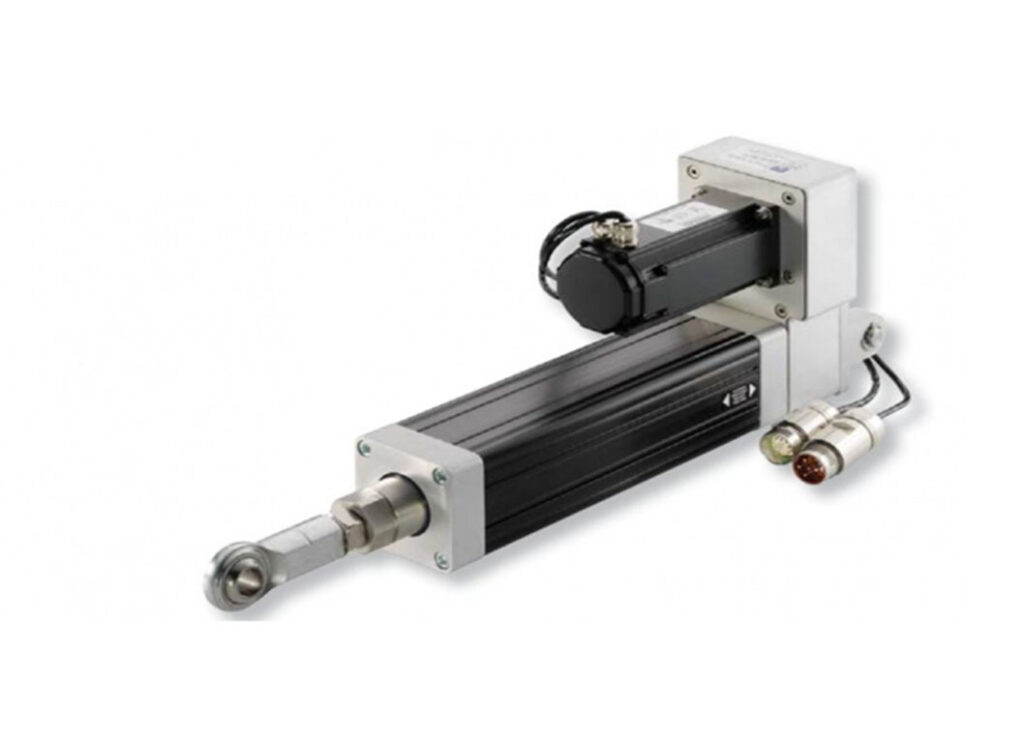
Why High-Speed Applications Demand Electric Cylinders
اسطوانات كهربائية represent the premium tier of electromechanical linear motion systems. These integrated units typically incorporate high-precision ball screws or roller screws coupled with robust servo or brushless DC motors, delivering exceptional dynamic performance. When your application demands rapid traverse rates, أسطوانات كهربائية provide the mechanical rigidity and power transmission efficiency necessary to maintain positional accuracy under aggressive acceleration profiles.
The fundamental advantage of أسطوانات كهربائية in high-speed scenarios lies in their screw mechanism design. Ball screw-driven أسطوانات كهربائية minimize frictional losses through rolling element contact, enabling linear velocities that frequently exceed 500 mm/s while sustaining substantial thrust forces. Unlike conventional lead screw systems, the recirculating ball architecture within premium أسطوانات كهربائية reduces heat generation during rapid cycling—an essential consideration for continuous-duty industrial operations where thermal management determines component lifespan.
Furthermore, أسطوانات كهربائية excel in applications requiring precise velocity control across the entire speed spectrum. Servo-controlled أسطوانات كهربائية offer closed-loop feedback capabilities, allowing operators to program complex motion profiles with rapid direction changes without sacrificing repeatability. Packaging machinery, high-speed sorting systems, CNC auxiliary axes, and automated assembly lines consistently specify أسطوانات كهربائية when cycle time optimization outweighs initial procurement costs.
The structural integrity of أسطوانات كهربائية also supports high-speed operation. These units typically feature rigid extruded aluminum housings with integrated linear bearings that resist side-loading and moment forces generated during rapid deceleration. For dynamic applications where moving masses must start and stop precisely within milliseconds, أسطوانات كهربائية provide the mechanical confidence that prevents premature wear and positional drift.
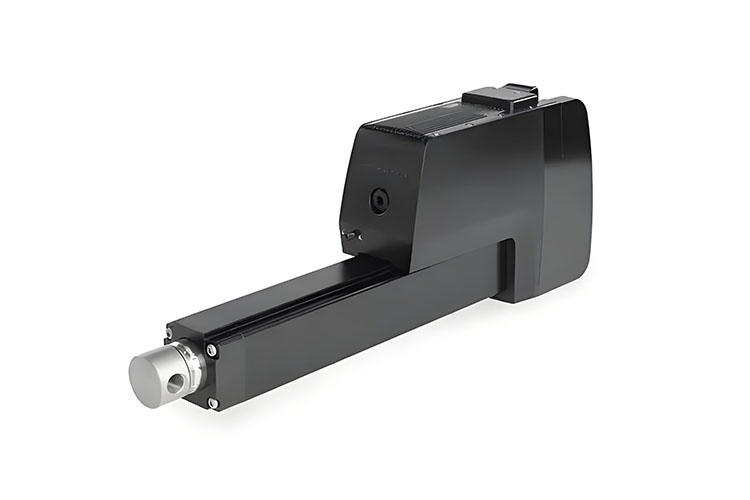
When Linear Actuators Excel in Low-Speed Applications
Conversely, المحركات الخطية—particularly those utilizing ACME screws or lower-pitch lead screws—establish their value proposition in moderate to low-speed operational environments. المشغلات الخطية prioritize cost-efficiency, self-locking capabilities, and simplified integration over raw velocity performance. When your motion profile involves extended dwell times, intermittent operation, or deliberate slow extension rates, المحركات الخطية deliver compelling economic and functional advantages.
The screw geometry inherent in standard المحركات الخطية naturally limits maximum velocity while simultaneously enhancing force multiplication. A higher mechanical advantage means that المحركات الخطية can generate impressive static thrust forces using relatively compact motor packages, making them ideal for valve control, agricultural equipment adjustments, medical device positioning, and solar tracking systems where rapid movement is neither necessary nor desirable.
Self-locking represents another critical attribute favoring المحركات الخطية in low-speed applications. ACME screw-driven المحركات الخطية inherently resist back-driving without power application, eliminating the need for external brakes or holding circuits when maintaining position under load. This characteristic proves invaluable in vertical lifting applications, adjustable furniture, and safety-critical positioning equipment where unintentional motion could create operational hazards.
From a total cost of ownership perspective, المحركات الخطية significantly undercut أسطوانات كهربائية while delivering adequate performance for non-dynamic duty cycles. The simplified mechanical architecture of المحركات الخطية—often featuring polymer nuts and standard brushed motors—reduces both initial investment and maintenance expenditures. For OEMs producing equipment where linear motion constitutes a supporting function rather than the primary performance determinant, المحركات الخطية provide the pragmatic engineering solution.
Making the Optimal Selection
The decision matrix ultimately centers on velocity requirements and duty cycle intensity. Specify أسطوانات كهربائية when your application demands speeds exceeding 200 mm/s, requires precise velocity modulation, operates continuously at high repetition rates, or necessitates rigid mechanical coupling to external guidance systems. Deploy المحركات الخطية when operational speeds remain below 100 mm/s, self-locking enhances safety, cost constraints dominate procurement decisions, or the motion cycle involves significant idle periods between actuations.
كلاهما أسطوانات كهربائية و المحركات الخطية continue evolving through material science advancements and motor technology improvements. Modern brushless DC-powered المحركات الخطية now challenge traditional speed limitations, while economy-grade أسطوانات كهربائية increasingly penetrate markets previously dominated by pneumatic alternatives. Nevertheless, the fundamental engineering principle persists: match your velocity requirements to the appropriate screw mechanism, and your linear motion system will deliver optimal performance across its operational lifespan.
Understanding these distinctions ensures that automation engineers, system integrators, and procurement professionals make informed decisions when specifying أسطوانات كهربائية versus المحركات الخطية for their next-generation machinery platforms.