You need clear power. You need simple speed. You need trust. I help you get it. I show you how gear ratios work. I show you how to choose. I show you how to win.
I speak as Jimi Technology Co., Ltd. I make linear actuators, TV lifts, and automation systems. My products turn electrical energy into linear motion. You push. You pull. You lift. You tilt. You do it at the touch of a button. I don’t just sell. I guide. I solve. I lead.
If you want to know more vedioes about linear actuators and electric cylinders, you can go to visit our Youtube Chanel.
What is a Gear Ratio? The Fundamental Concept
Gear ratio is a simple idea. One gear spins. Another gear spins too. They move at different speeds. They make different torque.
- The input gear sits on the input shaft.
- The output gear sits on the output shaft.
- The driver gear turns the driven gear.
- The ratio is the size of change.
You can count gear teeth. You can measure diameter. You can see the mechanical advantage. You get speed change. You get torque multiplication. You get control.
Why do gear ratios exist? You want less speed. You want more torque. You want to match the load. You want safe power transmission. You want smooth automation.
How Gear Ratios Work: The Mechanics Behind the Numbers
Gear teeth and diameter make the ratio. Big gear. Small gear. They change the RPM.
- Simple gear trains use two gears. One pinion drives one gear wheel.
- Compound gear trains stack more stages. You get more reduction ratio.
You can use a gearbox. You can use a gear reducer. You can choose a right angle gear motor. You can choose an inline gear motor. You can set the drive ratio. You can tune your mechanical advantage.
Calculating Gear Ratios: Formulas and Practical Examples
You can use easy formulas.
- Gear ratio (by teeth) = teeth on driven / teeth on driver.
- Output RPM = Input RPM / Gear Ratio.
- Output Torque = Input Torque × Gear Ratio × Efficiency.
Practical example 1: Determining output speed
- Input is 1450 RPM.
- Ratio is 29:1.
- Output RPM = 1450 / 29.
- Output RPM ≈ 50.
Practical example 2: Determining required torque
- Input torque is 10 Nm.
- Ratio is 5:1.
- Efficiency is 95%.
- Output torque = 10 × 5 × 0.95.
- Output torque ≈ 47.5 Nm.
You can use a gear ratio calculator. You can check motor encoder integration. You can match moment of inertia. You can plan acceleration and deceleration. You can handle dynamic loads and static loads. You can allow for shock load capacity. You can set a service factor.
Data and Gear Motor Facts
| Aspect | Detail / Range | Typical Impact | Notes |
|---|---|---|---|
| Spur gear efficiency | 94–98% per stage | Good for low to moderate ratios | See Machinery’s Handbook |
| Helical gear efficiency | 95–99% per stage | Quieter and strong | See Nord Drivesystems and SEW Eurodrive |
| Planetary gear efficiency | 90–97% per stage | High torque density | See Maxon Motor and Wittenstein Alpha |
| Worm gear efficiency | 50–90% | High ratio in one stage | Self locks at ~30:1 |
| Standard industrial ratios | 5:1 to 100:1 | Conveyors and mixers | See Bonfiglioli and Rexnord |
| Robotics planetary ratios | 3:1 to 500:1+ | Precise and compact | See KUKA and FANUC |
| Linear actuator ratios | 10:1 to 60:1 | Push and pull | See Thomson and LINAK |
| Wind turbine ratios | 50:1 to 150:1 | Slow rotor to fast generator | See Siemens Gamesa |
| Backlash | 1 to 15 arcmin | < 5 arcmin for high precision | See Alpha Getriebe and Neugart |
| Energy savings | Up to 20–30% | Right ratio helps | Lower motor size |
I use this data. I test. I validate. I share results. I ensure trust.
The Impact of Gear Ratios on Gear Motor Performance
Torque multiplication helps you lift. A higher ratio gives more output torque. It helps heavy loads.
Speed reduction helps you control. A higher ratio gives lower output RPM. It helps precision.
Efficiency matters too. You get energy loss. You can reduce gear noise. You can reduce vibration. You can improve thermal management. You can pick good lubrication. You can pick the right bearings. You can watch heat dissipation.
Inertia matching helps smooth motion. You match motor characteristics torque speed with your load. You avoid motor overload. You avoid overheating.
Types of Gear Motors and Their Typical Ratios
You can choose the gear type that fits the job.
- Spur gear motors are simple. They are low cost. They use moderate ratios.
- Helical gear motors run quiet. They handle higher torque. They show more efficiency.
- Worm gear motors reach high ratios in one stage. They self lock at high ratios. They give right angle output.
- Planetary gear motors are compact. They give high torque density. They show excellent efficiency.
- Bevel gear motors suit right angle applications. They give moderate ratios.
You can use DC gear motors. You can use AC gear motors. You can use brushless DC gear motors. You can use servo gear motors. You can use stepper motor gearboxes. You can pick IP rating. You can pick mounting options. You can set shaft output configuration. You can choose gear material selection for long lifespan and good load capacity.
Choosing the Right Gear Ratio for Your Application
You can follow this simple plan.
- Define your application requirements. Know the load, the speed, the duty cycle, and the accuracy you want.
- Know motor input. Note input speed and torque. Check servo motor, stepper motor, DC motor, or AC motor.
- Set target output. Set output RPM and torque at the load.
- Check the environment. See space, noise, and temperature. Pick enclosure type. Pick IP rating.
- Plan safety. Use a service factor. Allow for shock loads.
- Control the drive. Add motor encoder integration. Add a smart controller for gear motor control.
I help you size. I help you pick. I help you use a good gear motor selection guide. I use standard gear ratios or custom gear ratios. I can deliver variable gear ratios and CVT ideas where they fit.
Common Applications Benefiting from Optimized Gear Ratios
You can use the right ratio in many fields.
- Industrial automation with conveyor systems, robotics, and actuators.
- Medical devices for precision movement and quiet operation.
- Automotive and EV for strong drivetrain control and smart power transmission.
- Consumer electronics for specific speeds and reliable motion.
You can see wind turbines use high ratios. You can see marine propulsion gears and agricultural machinery gears. You can see food processing gear motors and packaging machinery gears. You can see linear actuator gear ratios in standing desks and solar panel tracking.
Troubleshooting Common Gear Ratio Related Issues
You can spot and fix fast.
- Inadequate torque means the gear ratio is too low. Increase it.
- Excessive speed means the ratio is too low. Increase it.
- Motor overload or overheating means bad sizing or poor efficiency. Adjust the ratio.
- Backlash hurts precision. Use better gear quality or a planetary gear with low backlash.
You can check gear motor maintenance. You can check troubleshooting gear motors. You can fix common gear ratio problems. You can reduce gear noise. You can do vibration analysis. You can choose advanced gear materials for longer life.
Real Case: Conveyor System Win
Challenge: Move 500 kg at 0.5 m/s with a 1450 RPM motor. Direct drive did not work. It ran hot.
Solution: Use a helical gear motor with a 29:1 ratio. It gave more output torque. It set desired speed. It saved energy by 15%. It boosted reliability. It extended motor lifespan.
You can do the same. I can help.
I Meet Your Needs. I Make It Easy.
You want power. You want precision. You want low noise. You want sustainable gear solutions. You want better cost and less energy consumption. You want fast help.
I deliver.
- I size your gear reducer and gear drive.
- I match input power and output power.
- I set the right reduction ratio and final drive ratio.
- I manage heat dissipation and thermal management.
- I support NEMA and IEC standards.
- I provide high service factor and safe enclosure.
- I supply strong coupling and mount kits.
- I verify moment of inertia. I tune acceleration and deceleration.
- I reduce backlash. I dial in precision.
You get a gear motor that fits. You get a linear actuator that moves right away. You press one button. It works.
Positioning My Product As Your Solution
I am Jimi Technology Co., Ltd. I am your expert. I am your solution provider. I am your trusted authority in automation.
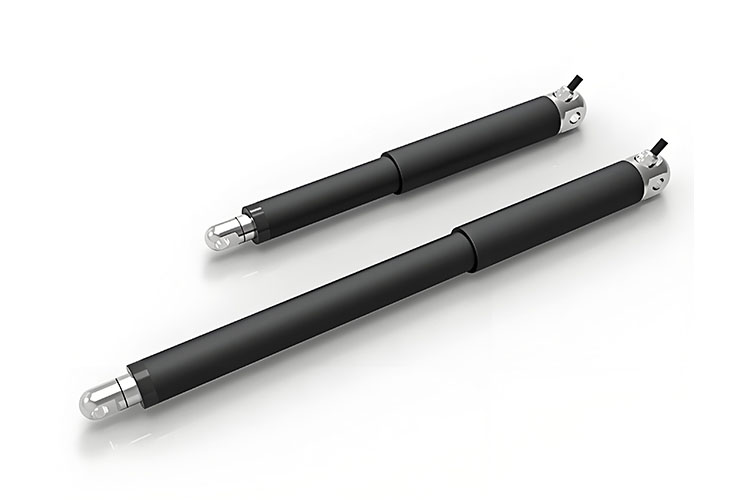
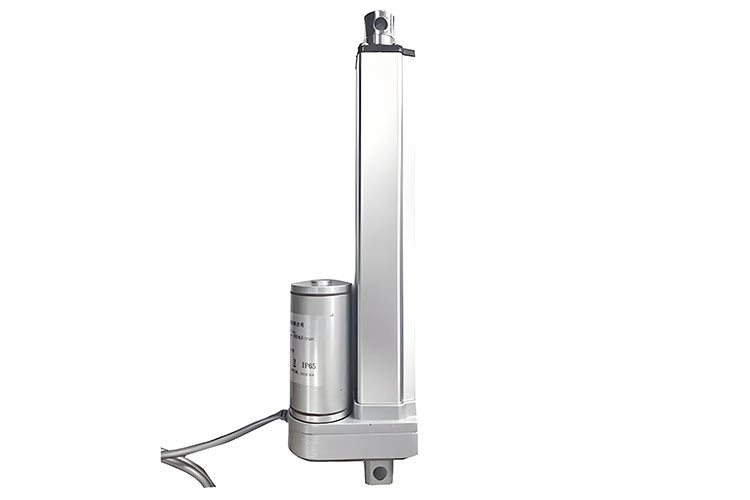
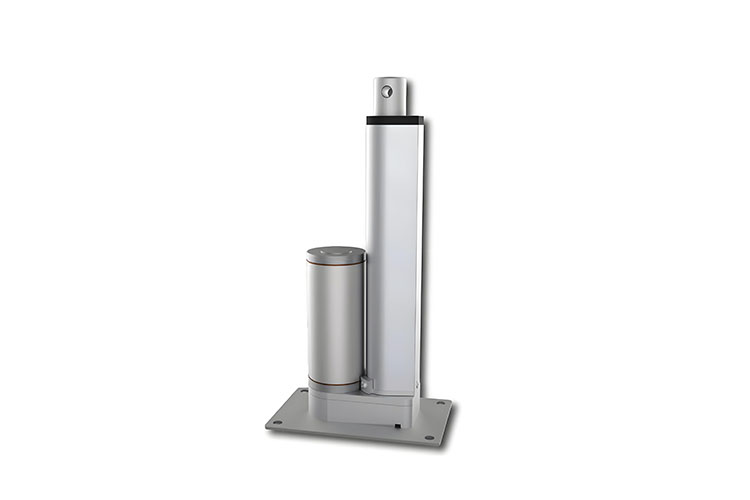
- I design industrial linear actuators with smart gear motor options.
- I build TV lifts and automation systems with clean power transmission.
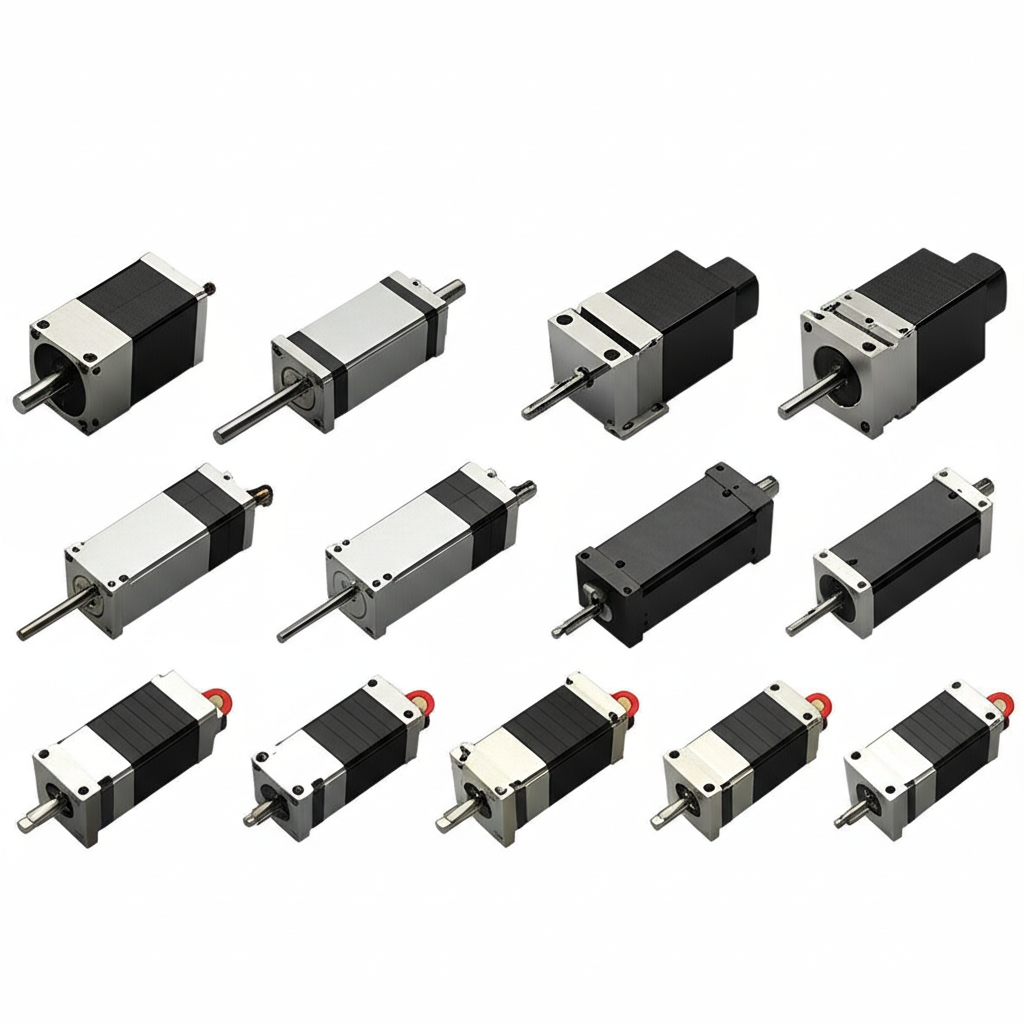
- I offer servo gear motors and brushless DC gear motors for precision robotics.
- I deliver actuators with position feedback for exact control and easy encoder integration.
You can explore Electric linear actuators for precise motion at my catalog:
You can select servo motor actuators for high torque and low backlash:
You can see full industrial automation actuator solutions here:
Industrial Automation Actuators and Systems
You can choose waterproof linear actuators for harsh jobs and high IP rating:
IP67 Waterproof Linear Actuators
I also support stepper motor gearboxes, DC gear motors, AC gear motors, right angle gear motors, inline gear motors, planetary, worm, spur, helical, and bevel gear setups. I configure the gear train. I select bearings. I set lubrication. I pick gear materials. I protect the enclosure. I test efficiency. I prove trust.
Quick Formulas and Notes
- Gear ratio = driven teeth / driver teeth.
- Output RPM = input RPM / gear ratio.
- Output torque = input torque × gear ratio × efficiency.
You can use these notes in robotics, automation, actuators, EV, and industrial machinery. You can see differential gear ratio in cars. You can see final drive ratio in drivetrains. You can apply gear ratio for lifting, gear ratio for speed, or gear ratio for precision. You can choose standard gear ratios or custom gear ratios.
Why My Approach Works
I keep it simple. I use clear math. I use clean engineering steps. I build strong gear motors. I integrate smart controllers. I provide clean power supplies. I add safe switches & remotes. I mount with solid mounting brackets. I guide by EEAT. I show experience. I prove expertise. I hold authoritativeness. I earn trustworthiness.
You get what you need. You get performance. You get value.
Conclusion: Master Gear Ratios for Optimal System Design
You can master gear ratios. You can set output speed with care. You can make torque right. You can raise efficiency. You can match inertia. You can pick the right gear motor. You can get long lifespan. You can lower cost. You can save energy.
I will help you with the future of gear motor technology. I see advanced gear materials. I see smart gear motor control. I see better service factor. I see lower backlash. I see strong IP rating. I see a clean enclosure. I see easy maintenance. I see safe automation.
You can talk to me today. You can get a clean plan. You can get a ready build. You can press one button. It moves.
References
- Machinery’s Handbook
- Nord Drivesystems
- SEW Eurodrive
- Maxon Motor
- Wittenstein Alpha
- Nidec Shimpo
- Bonfiglioli
- Rexnord
- KUKA
- FANUC
- Universal Robots
- Thomson Industries
- LINAK
- Vestas
- Siemens Gamesa
- Alpha Getriebe
- Neugart
- Grand View Research
- Mordor Intelligence