I. Introduction
I help you move. I turn power into linear motion. With one touch, things go up, down, push, pull, or tilt. I am Jimi (Jimi Technology Co., Ltd.). I make linear actuators, TV lifts, and automation systems. I am not just a seller. I am an expert. I am a solution provider. I am a trusted authority.
You need the right screw. You want Acme, Ball, or Roller. Each one is different. Each one fits a need. The right pick saves cost, time, and energy. The wrong pick adds heat, wear, and risk.
I keep this clear and short. I use plain words. I show what to check. I share real data. I give you a fast path to a win.
II. What Are These Screws?
- Acme Lead Screw: It slides. It uses friction. It is simple. It can self-lock.
- Ball Screw: It rolls on recirculating balls. It is efficient and accurate.
- Roller Screw: It rolls on planetary or satellite rollers. It has top load capacity and stiffness.
III. Quick Compare
| Feature/Metric | Acme Lead Screw | Ball Screw | Roller Screw |
|---|---|---|---|
| Operating Principle | Sliding friction | Rolling friction (balls) | Rolling friction (planetary/satellite rollers) |
| Typical Efficiency | 20-50% | 85-95% | 90-95% |
| Dynamic Load Capacity | Low to Moderate (up to ~10,000 N) | Moderate to High (5,000–150,000 N) | Very High (10,000–1,000,000 N+) |
| Max Linear Speed | < 0.5 m/s | 0.5–2 m/s (up to 4 m/s special) | 0.5–2 m/s (up to 5 m/s+) |
| Positioning Accuracy | ±0.1 to ±0.5 mm | ±0.01 to ±0.05 mm | ±0.005 to ±0.02 mm |
| Repeatability | Poor to Moderate | Excellent | Superior |
| Backlash (Standard) | 0.05–0.5 mm | 0.005–0.05 mm (zero with preload) | 0.001–0.01 mm (zero with preload) |
| Stiffness/Rigidity | Low | Moderate to High | Very High |
| Life Expectancy | Short (wear) | Long (L10 life) | Very Long (L10 life) |
| Self-Locking | Yes (low lead angle) | No | No |
| Vibration/Shock Resist. | Moderate | Moderate | High |
| Maintenance | Frequent lube | Regular lube, clean | Regular lube, precise |
| Typical Cost | Lowest | Medium | Highest |
| Noise Level | Moderate | Low to Moderate | Low |
| Heat Generation | High | Low | Very Low |
| Environmental Robustness | Good | Needs protection | Good (with protection) |
This table helps you compare. It shows efficiency, speed, accuracy, backlash, and cost.
IV. Deep Dive: Acme Lead Screws
I use Acme thread and Trapezoidal thread. The nut can be bronze or plastic. It is great for manual moves and simple lifts.
- Pros: Simple, low cost, self-locking, good in dust.
- Cons: Lower efficiency, more heat, more wear, more backlash.
- Best for: Clamps, gates, jacks, low-cost linear motion.
I can add zero backlash acme nuts. I can make cold rolled or machined acme screws. I can pick standard screw sizes and pitches, metric or imperial, right-hand or left-hand. I support end machining, flange nuts, and mounting brackets.
See our precise range of lead screw systems: lead screw and acme screw actuators for simple, self-locking motion.
V. Deep Dive: Ball Screws
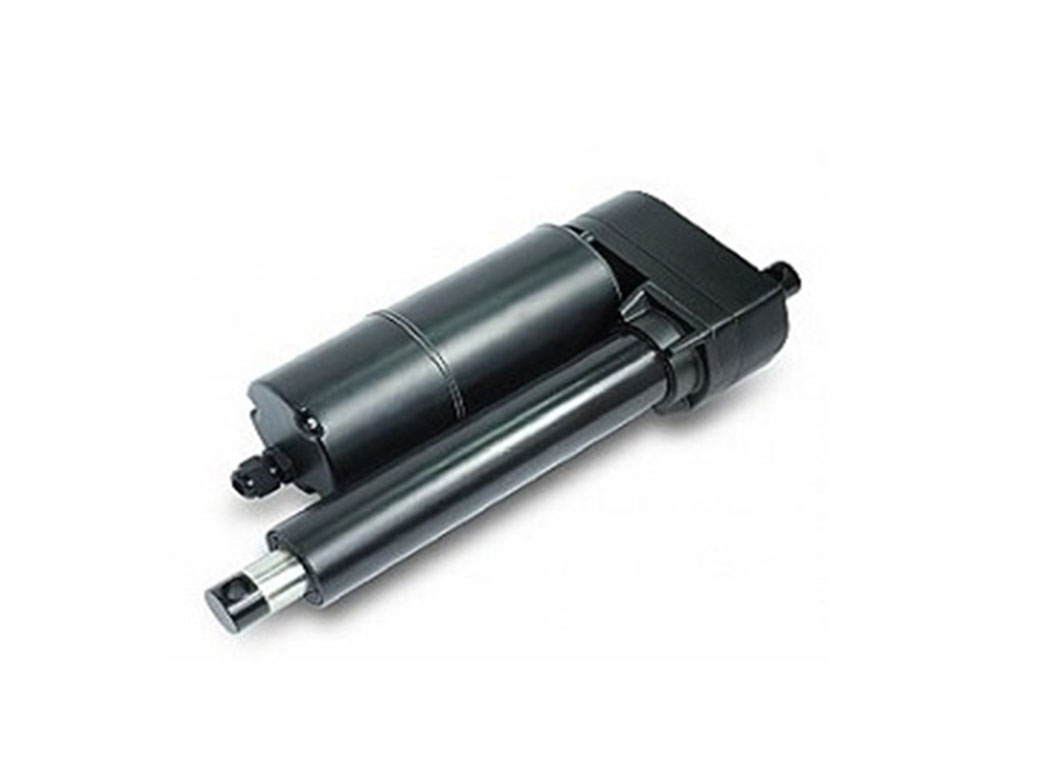
A ball screw uses recirculating balls between the screw and the ball nut. It gives high efficiency (85–95%). It gives accuracy and repeatability. It can be rolled or precision ground. It can have preload for zero backlash and more stiffness.
- Pros: Low torque need, low heat, long life, high dynamic load rating.
- Cons: Higher cost than Acme, not self-locking, needs lubrication and seals.
- Best for: CNC, robotics, precision automation, medical.
We match stepper motor or servo motor, and pick a gearbox when needed. We set ball screw support bearings, thrust bearing, and radial bearing for critical speed and column strength.
Explore our high-precision line: ball screw actuators for fast and accurate motion.
VI. Deep Dive: Roller Screws
A roller screw uses planetary rollers or satellite rollers. It gives very high load and very high rigidity. It holds accuracy under shock and vibration. It lasts long with the right lubrication.
- Pros: Top load capacity (static and dynamic), compact, durable.
- Cons: Highest cost, needs specific lube, not self-locking.
- Best for: Aerospace, presses, electric power steering, test rigs.
I build inverted roller screw when space is tight. I seal the unit for contamination protection. I add sensor integration for position feedback and repeatability.
VII. How I Help You Pick
I start with your application. I ask simple things:
- Load: Static and dynamic. Peak and continuous. I check thrust capacity, and any radial load.
- Speed: Linear speed, acceleration, critical speed limits, and cooling if needed.
- Accuracy: Positioning accuracy, repeatability, backlash. Need preload?
- Stiffness: Total rigidity of the linear screw system.
- Life: Duty cycle, fatigue life of parts.
- Power: Efficiency, torque need, energy consumption.
- Environment: Temperature, dust, moisture, vibration, shock, cleanroom, vacuum, radiation, ATEX, hazard.
- Fit: Mounting & integration, linear guide and screw integration, end machining options.
- Cost: Initial vs total cost of ownership, supplier lead times, warranty information.
I test for screw pitch error compensation and thermal expansion compensation. I set operating temperature range. I target noise and vibration characteristics. I add a holding brake for vertical loads on ball or roller screws.
VIII. Real Cases And Data
- Acme: In simple use, Acme lead screws can cut cost by 70% over ball screws. Many lines do not need high speed. Here, simplicity wins.
- Ball Screw: Preloaded ball screws can lift repeatability to under 0.02 mm. One line saw 15% cycle time gains. Power use fell with ~90% efficiency.
- Roller Screw: A flight unit took over 500 kN load. It held ±0.005 mm for 20 million cycles. Life was 2–3x ball screw life.
These fit the data in the table above. This is how I pick value for you.
IX. Where Each One Shines
- Acme: Manual valves, lab jacks, assembly fixtures, screw jack jobs.
- Ball: XYZ tables for CNC, robotic arms, gantry systems, machine tools.
- Roller: Landing gear, press brakes, oil & gas drilling, defense.
For each, I add a linear guide (rail) when needed. I tune servo motor, stepper motor, or brushless DC drives. I size the gearbox, and pick power supplies, controllers, switches & remotes.
X. Install, Care, Fix
- Install: Keep alignment true. Use the right support bearings. Follow installation best practices.
- Lube: Use the right lubrication. Set a schedule. Watch for heat generation.
- Fix: Look for wear, backlash, vibration, noise. Check troubleshooting common issues.
I can ship sealed screw assemblies to block contamination. I can make corrosion resistant sets in stainless steel.
XI. Power and Control
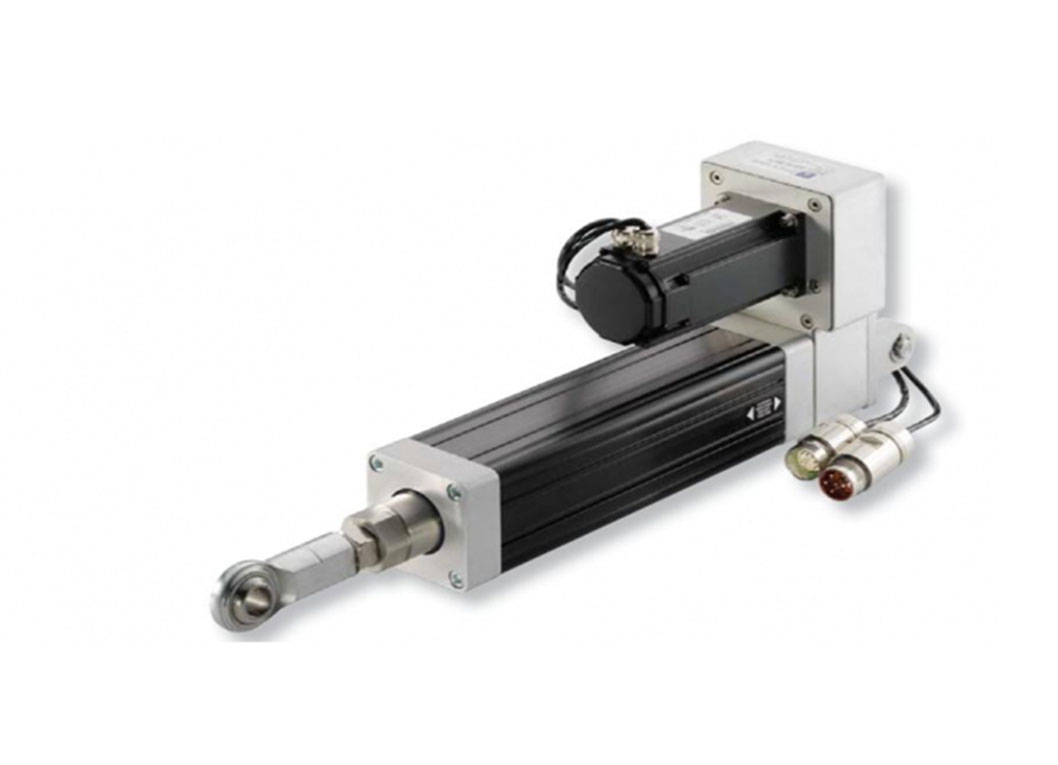
I pair screws with stepper motor driven screws or servo motor driven screws. I also deliver brushed DC actuators and brushless DC actuators. I add actuators with position feedback for accuracy. I offer kits with remote control. I support actuator controllers and linear guides & rails.
Need a turn-key build? See our range of electric linear actuators for robust motion control.
XII. Your World, Your Standard
I serve industrial automation, material handling, robotics, aerospace, medical, CNC machine tools, RV & marine, solar panel tracking, standing desks & ergonomics, and more.
I design for cleanroom, vacuum, radiation, ATEX, and hazardous sites. I build waterproof linear actuators. I deliver quiet linear actuators and high-speed linear actuators. I size light-duty, medium-duty, and heavy-duty units. I also offer rodless actuators, track actuators, and standard/inline actuators.
If you need end-to-end help for factories, start here: industrial automation actuators for production lines.
XIII. The Buying Logic I Use
- Attract: You want motion that is fast, strong, and safe. You want low energy consumption. You want low maintenance.
- Need: You face backlash, heat, and wear. You fear downtime and cost.
- Meet: I size the screw. I pick lead and pitch. I check column strength and critical speed. I set preload. I add seals. I plan cooling requirements for high speed. I ensure repeatability and accuracy.
- Position: I bring Jimi strength. I design, build, and test. I ship fast. I support long term. I protect your total cost of ownership.
XV. Why Trust Me
- I build and test every unit. I use engineering specifications and life math. I run screw drive test procedures.
- I use strong materials: alloy steel, stainless steel, hardened where needed.
- I protect your plant with sealed assemblies and the right lubrication.
- I stand behind you with clear warranty and fast lead times.
Want a matched drive set today? Get started with our electric linear actuators engineered for accuracy and uptime.
XIII. Conclusion
Pick the right screw. If you want low cost and self-lock, pick Acme. If you want efficiency and precision, pick Ball. If you want very high load and stiffness, pick Roller. I scan your loads, speed, accuracy, and environment. I make the choice safe and clear. I ship a system that works day one.
I am Jimi. I turn power into motion that works. I am ready to help now.
References
- Industry data on ball screw efficiency and accuracy: Maker catalogs from NSK Ltd., SKF Group, Bosch Rexroth, Nook Industries.
- Roller screw life and load data: Supplier white papers; studies in aerospace actuator trials.
- Acme screw cost and maintenance notes: Factory case work; internal Jimi field reports.
- Comparative metrics table: Aggregated from maker data and accepted static/dynamic load rating standards; common lead accuracy class specs.
For custom help, I can spec, size, and supply your full motion set.