You need big force. You need clear facts.
I give you both. I help you pick fast. I help you pick right.
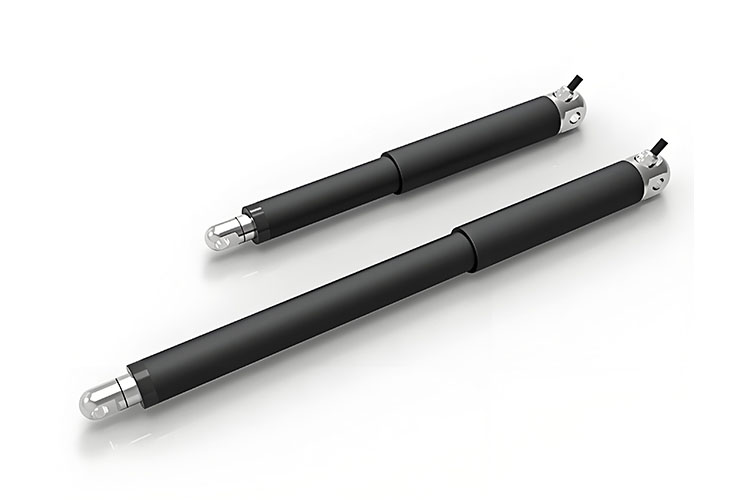
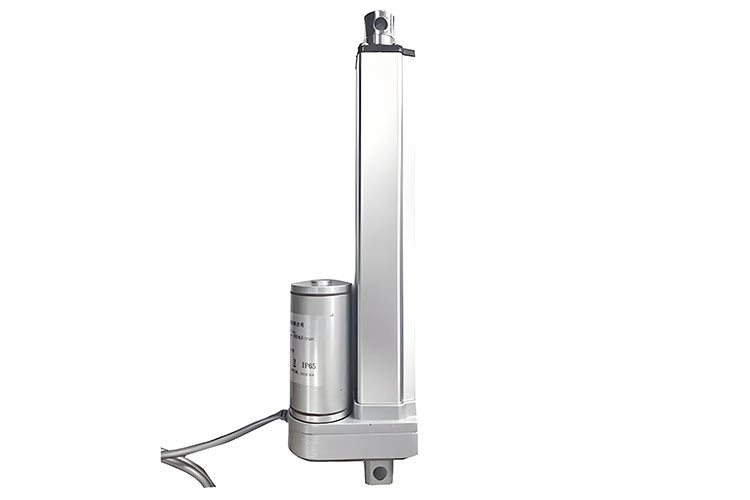
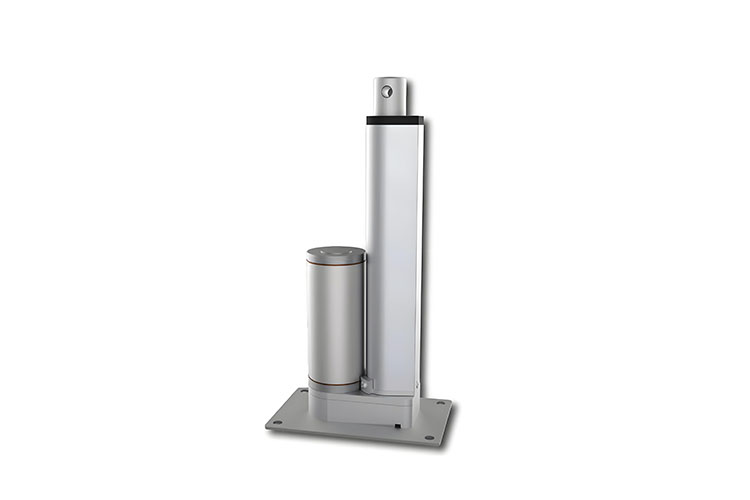
I am from Jimi Technology Co., Ltd. I make high‑quality linear actuators, TV lifts, and automation systems. My gear turns power into push and pull. You tap a button and things rise, drop, tilt, or slide. I am not just a seller. I am an expert, a solution provider, and a trusted authority. You get a smart plan. You get strong parts. You get clear wins.
If you want to know more vedioes about linear motions and electric cylinders, you can go to visit our Youtube Chanel.
What is a high‑force job
- Big loads go from 0.5 ton to 100+ tons
- You want safe work
- You want clean work
- You want low down time
This is a roller screw actuator vs ball screw test. It is a precision actuator comparison for high force linear actuators. It is clear. It is fast. It is true.
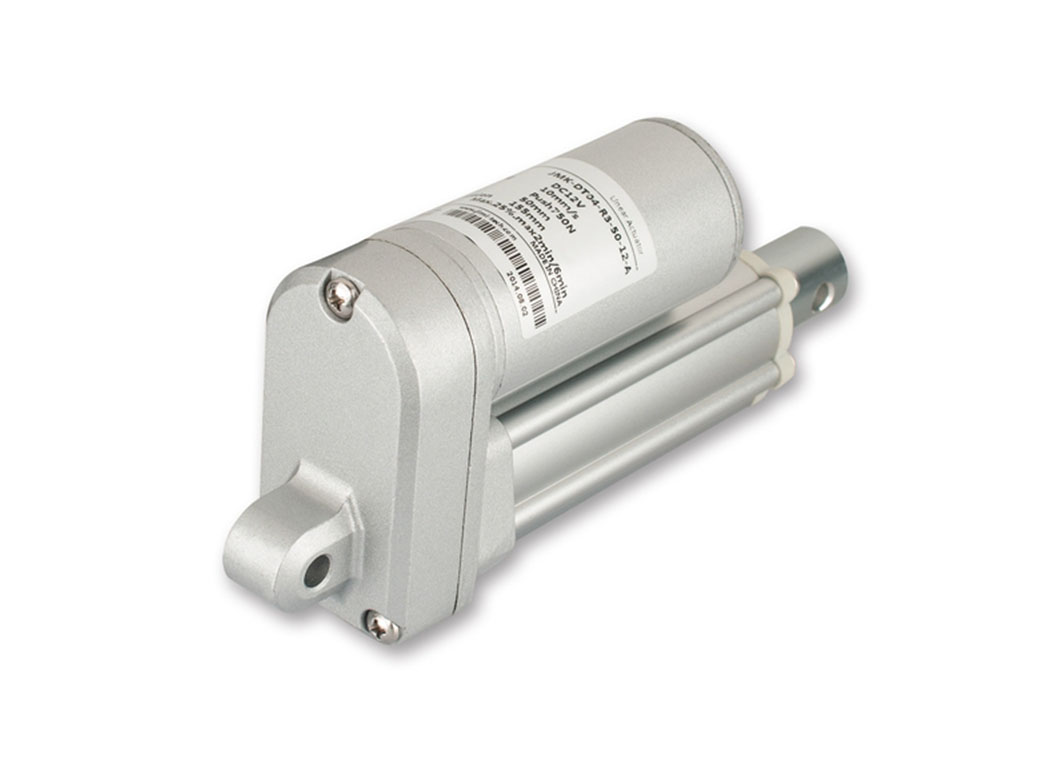
Why this choice matters
- Wrong pick hurts TCO
- Wrong pick kills up time
- Wrong pick risks safety
You need the right tool for industrial linear motion systems. You need the right tool for high thrust linear systems. You need actuator rigidity. You need energy efficiency linear drives. You may want hydraulic actuator alternatives. I show you both types. I show you how they stack.
Force Capacity Face‑Off
Roller screws push more. They hold 3 to 5x more Dynamic Load Rating than ball screws at the same size. This is key for ball screw load capacity checks.
- A steel press needs big thrust
- A ball screw can stall
- A roller screw can take the hit
I saw a steel press flip to a roller screw. The press had hard shocks. The new unit ran clean. It ran long. It ran safe.
Roller screw dynamic load rating shines when you hit big loads or shock loads. Ball screws have lower Static Load Capacity too. You can use both. Yet you pick for the job.
Efficiency & Energy Use
- Ball screws run at 85–92% efficiency
- Roller screws run at 70–80% efficiency
So a ball screw uses less power per move. Yet a roller screw can win in high‑load jobs. Why. It can take more load so you use one unit not two. It runs cooler at big thrust. It stops slip. It cuts Backlash in screw actuators. You get clean Machine tool positioning.
In short. Ball screws win on speed and efficiency. Ball screw vs roller screw speed is clear. Ball screws can hit 3 m/s. Roller screws can hit 1.2 m/s. Roller screws win on force and life at >50 kN.
Lifespan & Maintenance
- Life expectancy ball screw at full load: 1–2 million cycles
- Roller screws at full load: 5–10 million cycles
Roller screws wear slow. Ball screws have more ball screw wear resistance needs. They can need more grease at heavy loads. Roller screws can get close to maintenance‑free actuators in many lines with good lube plans.
Use clean lube. Use set ISO 3408 (Ball Screw Standards) and DIN 69051 (Roller Screw Standards). You get trust. You get safety.
Precision Under Load
- Backlash matters
- Roller screws hold ≤50 μm
- Ball screws sit at 100–300 μm
At >10 kN, heat can grow shafts. You must track thermal expansion. Roller screws keep stiff. They keep true under heat and load. This helps CNC Machinery. This helps Test Bench Actuators. This helps Electric Press Brakes.
Cost Analysis
- Ball screws cost less up front
- Roller screws cost more up front
- Yet look at Cost comparison ball screw roller screw over 10 years
In a big wind pitch job a roller screw cut stops and cuts calls. It saved time. It saved money. It cut risk. Your TCO went down.
Where to use each type
Ball screw best uses
- High speed and moderate force
- CNC, medical, and light lines
- Clean Machine tool positioning
See our high precision ball screw actuators for tight work
Link: Ball Screw Actuators
Roller screw dominant areas
- Aerospace actuators like the F‑35 Joint Strike Fighter (Aerospace Application)
- Injection Molding Machines
- Satellite Deployment Mechanisms
- Nuclear Reactor Control Rods
- Heavy test gear and metal forming
Need big push. Pick heavy‑duty linear actuators with roller screws
Link: Heavy‑Duty Linear Actuators
Decision Flowchart
Follow this path. Pick with care.
- Need >50 kN force
- Yes → Go roller screw
- No → Go ball screw
- Need >2 m/s speed
- Yes → Go ball screw
- No → Both fit
- Need ≤50 μm backlash under load
- Yes → Go roller screw
- Need 10‑year low TCO at high duty
- Yes → Go roller screw
- No → Ball screw can fit
- Need clean oil and low leak
- Yes → Pick electric cylinders over hydraulics
See our servo electric cylinders for clean high force
Link: Electric Cylinders
For plant wide teams see industrial automation actuators
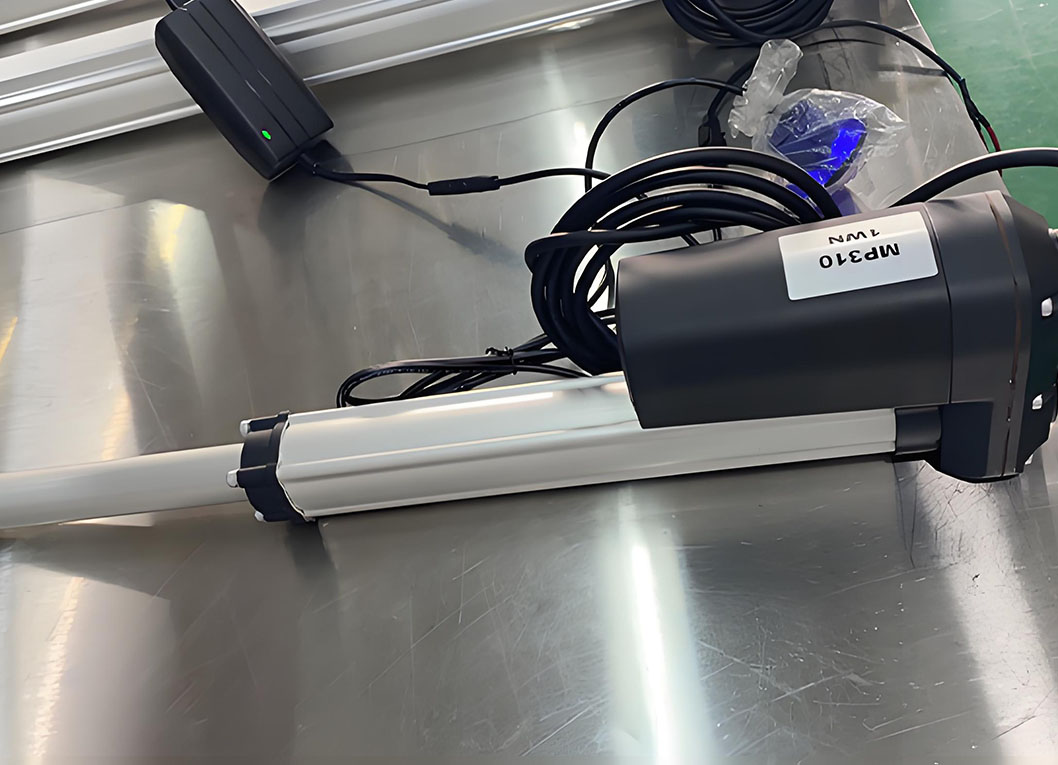
Link: Industrial Automation Actuators
Data & Case Studies Table
| Parameter | Ball Screw Actuators | Roller Screw Actuators | Source |
|---|---|---|---|
| Max Continuous Force | ≤150 kN | ≤1,500 kN | Thomson Linear 2023 Catalog |
| Dynamic Load Rating (C) | 50–150 kN | 150–1,200 kN | SKF Bearing Calculator |
| Efficiency | 85–92% | 70–80% | ASME Journal of Manufacturing (2022) |
| Lifespan (L10) at 50 kN | 800,000 cycles | 4.2 million cycles | Nook Industries Field Study |
| Speed (Max) | 3 m/s | 1.2 m/s | Bosch Rexroth Technical Whitepaper |
| Cost per kN Capacity | $120–250/kN | $400–900/kN | Machinery Market Quarterly Report |
| Case Study: Steel Press Brake | 200 service calls/year | 12 calls after switch | MetalForm Magazine Jan 2023 |
Simple Chart: Force vs Type
Force Capacity (kN)Ball Screw | ##### (≤150)Roller Screw | ############################ (≤1,500)Who backs this data
I use top names. I test. I build. I ship.
- SKF
- Thomson Linear
- Parker Hannifin
- Nook Industries
- Bosch Rexroth
- Roton Products
- Moog
- Helix Linear Technologies
- NSK Ltd.
They post rich data on Dynamic Load Rating and Static Load Capacity. I use it. I add my lab notes. I add plant tests. I bring it to you clear and plain.
Meet the need with Jimi
You want force. You want speed. You want life. You want value.
I build full lines:
- Industrial linear motion systems
- High thrust linear systems
- Actuators with position feedback
- Waterproof and stainless steel units
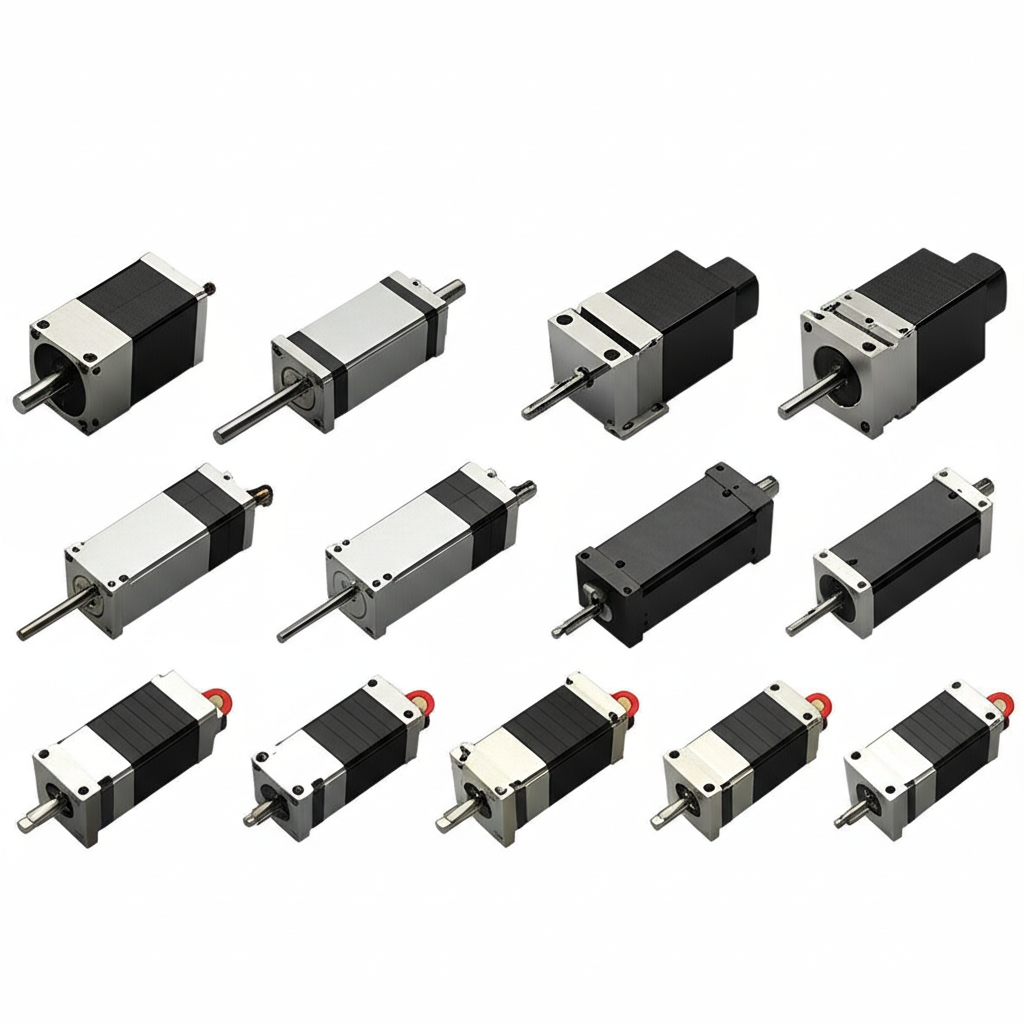
- Servo motor actuators and brushless DC actuators
- Stepper motor actuators for tight steps
- Kits with remote control for fast set up
I tune rigidity. I tune speed. I tune noise. I tune duty. You get the right fit for your line.
Hydraulics vs Electrics
You may look at oil. You may look at air. You may want hydraulic actuator alternatives or pneumatic swaps.
- Oil leaks stain and slip
- Air can bounce and drift
- Electric linear actuators give clean push
- Servo linear actuators give tight control
Real jobs that win
- CNC Machinery holds tight with ball screws
- Electric Press Brakes run smooth with roller screws
- Test Bench Actuators need low backlash and high L10 life
- Injection Molding Machines push hard with roller screws
- Satellite Deployment Mechanisms need high precision
- Nuclear Reactor Control Rods demand rigidity and trust
What you get with Jimi
- Strong design for big loads
- Clean controls
- Smart integration
- Fast lead time
- Clear support
With me you get a guide. You get parts that fit. You cut risk. You grow up time.
Choose with care: quick list
- Need high force linear actuators with long life → pick roller screw
- Need ball screw vs roller screw speed at >2 m/s → pick ball screw
- Need tight Backlash in screw actuators under load → pick roller screw
- Need low start cost → pick ball screw
- Need low TCO at 10 years → pick roller screw
Call to action
You want help. I am here. I will map your loads. I will pick the right nut and shaft. I will size the motor. I will line up the ISO 3408 and DIN 69051 needs. I will write the plan. You will run strong.
See my heavy‑duty linear actuators and move the big stuff today
Link: Heavy‑Duty Linear Actuators
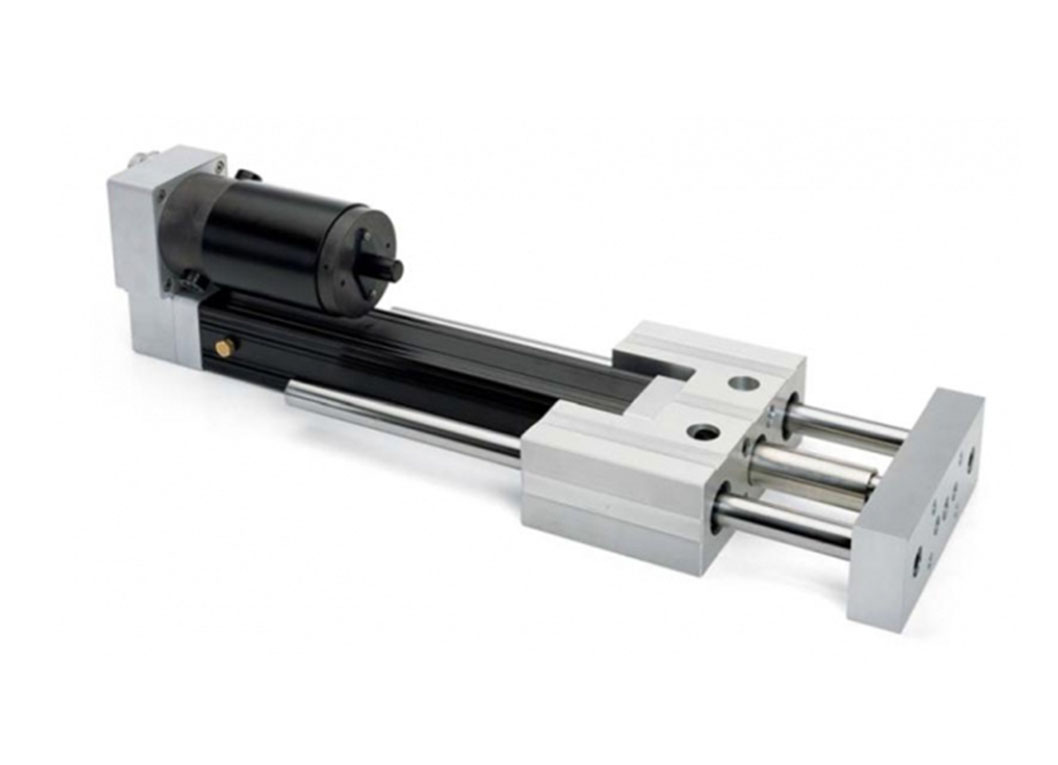
References
- Thomson Linear. “Product Catalog 2023.” Dynamic load and force data for ball and roller screws.
- SKF. “Bearing Calculator.” Load ratings and L10 life methods.
- ASME Journal of Manufacturing, 2022. “Efficiency in screw drive systems.”
- Nook Industries. “Field Study: L10 Life at 50 kN.”
- Bosch Rexroth. “Technical Whitepaper: Speed and drive limits for screw actuators.”
- MetalForm Magazine. “Press Brake Service After Roller Screw Upgrade.” Jan 2023.
- ISO 3408. “Ball Screws Standards.”
- DIN 69051. “Roller Screw Standards.”
Final word
You have a hard job. You lift. You press. You push. You pull. You need a strong tool. You need a clear plan. You get both from me.
I am Jimi Technology Co., Ltd. I bring trust. I bring data. I bring care. I bring a set that works. You press start and the job moves. You watch the line run. You watch your costs drop. You watch your team smile.